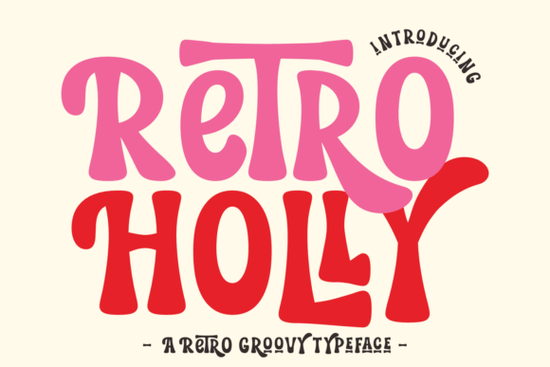
If you’ve been searching for a font that feels like sunshine, vinyl records, and handwritten summer notes all rolled into one, Retro Holly Font might be exactly what your next project needs. It’s got that warm, slightly offbeat charm that makes designs feel personal not polished by committee. Whether you’re making stickers for Etsy, custom tees for a pop-up shop, or branding materials with personality, this font brings a relaxed, groovy energy without trying too hard.
What kind of projects does Retro Holly Font work best for?
This isn’t the kind of font you’d use for legal disclaimers or corporate reports. It shines when you want to add character think:
- T-shirt designs especially for music festivals, beachwear, or anything with a ’70s twist
- Stickers and decals its bubbly curves look great at any size
- Handmade greeting cards or invitations gives them that “I made this just for you” vibe
- Cricut and Silhouette cut files clean enough for vinyl, playful enough to stand out
- Social media graphics adds warmth to quotes, promos, or seasonal posts
It also works surprisingly well as a groovy cute display font for logos if your brand leans toward handmade, boho, or nostalgic aesthetics.
Is it easy to use with design tools like Procreate or Canva?
Yes. You get both SVG and PNG versions, which means you can drop it into almost any program even if you’re not using professional software. Procreate users especially love how the brush-like strokes respond naturally to pressure sensitivity. And because it’s fully printable, you won’t run into weird rendering issues when you go from screen to paper (or fabric).
The font includes bonus styles too: wavy, chunky, and swash variants. That means you can mix and match within the same design for more visual rhythm no need to pair it with another typeface unless you want to.
How does it compare to other retro fonts on Creative Fabrica?
It’s less rigid than something like Harlow Chunky, which has more structure and weight. Retro Holly feels looser, more spontaneous like someone quickly jotted down a fun idea with flair. If you like the casual bounce of Hunter’s K-Pop but want something warmer and less neon-bright, this is a good middle ground.
Compared to Jake Font, it’s more stylized and less minimalist. And if you’re already a fan of Back to Vintage, you’ll appreciate how Retro Holly keeps that nostalgic texture but with softer, rounder letterforms that feel friendlier.
Will customers actually connect with this style?
Absolutely especially if your audience values authenticity over polish. People are drawn to things that feel human-made, slightly imperfect, full of personality. That’s why this font does so well in print-on-demand shops and small business branding. It doesn’t scream “corporate.” It whispers, “Hey, I made this with care.”
You’ll find it resonates most with:
- Buyers who love cottagecore, boho, or vintage revival styles
- Teens and young adults drawn to nostalgic Y2K or ’70s aesthetics
- Small brands that want to stand out without looking “designed by committee”
And because it’s readable at larger sizes (thanks to those bold, open shapes), you don’t sacrifice clarity for style.
Any tips for getting the most out of this font?
Here’s what experienced sellers and designers do:
- Use color wisely try mustard yellow, burnt orange, or faded teal to enhance the retro mood
- Add subtle textures a light grain or paper overlay helps it feel even more tactile
- Pair with simple sans-serifs let Retro Holly be the star; keep body text clean and minimal
- Experiment with the swash letters they’re perfect for wrapping around illustrations or filling empty corners
Don’t be afraid to stretch or slightly rotate individual letters for extra playfulness the hand-drawn nature means it holds up well to gentle manipulation.
If you want to see how others are using it, check out Retro Holly Font on Creative Fabrica. You’ll find real examples from crafters, POD sellers, and graphic designers plus customer reviews that show exactly how it performs in different contexts.
Quick checklist before you start:
- Download both SVG and PNG versions (you’ll want options)
- Test print a sample phrase to see how ink or vinyl handles the curves
- Save your favorite glyph combinations as reusable assets
- Try it in mockups sometimes seeing it on a tote bag or mug changes everything
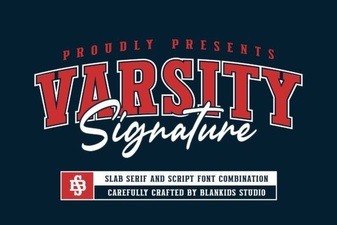 Varsity Signature: a Bold Font for Creative Projects
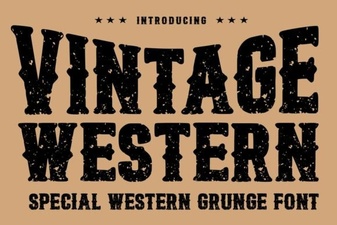 Vintage Western Fonts: Design Tips & Creative Projects
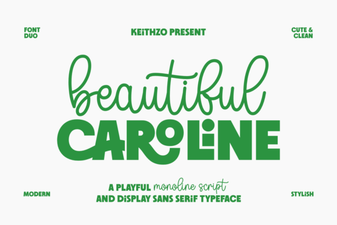 Caroline Font Design Guide & Creative Uses
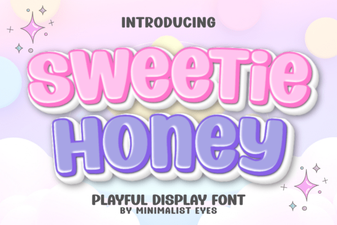 Sweetie Honey Font: a Playful Typography Guide
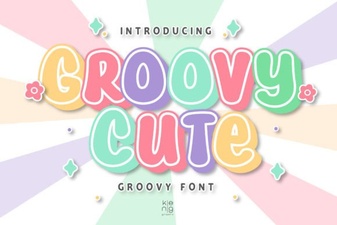 Groovy Cute Fonts for Your Next Creative Project
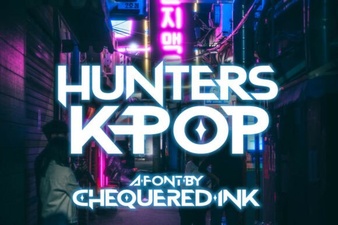 Hunters Font: Creative K-Pop Typography for Projects